• Gardens
  • Find plants
  • Floriade 2022
  • Botanic guardians
  • home
  • about us
  • contact
Nederlands
  Back to results

Dwarf Elder

Sambucus ebulus

Vulnerable (VU)

Not a bush but a herb

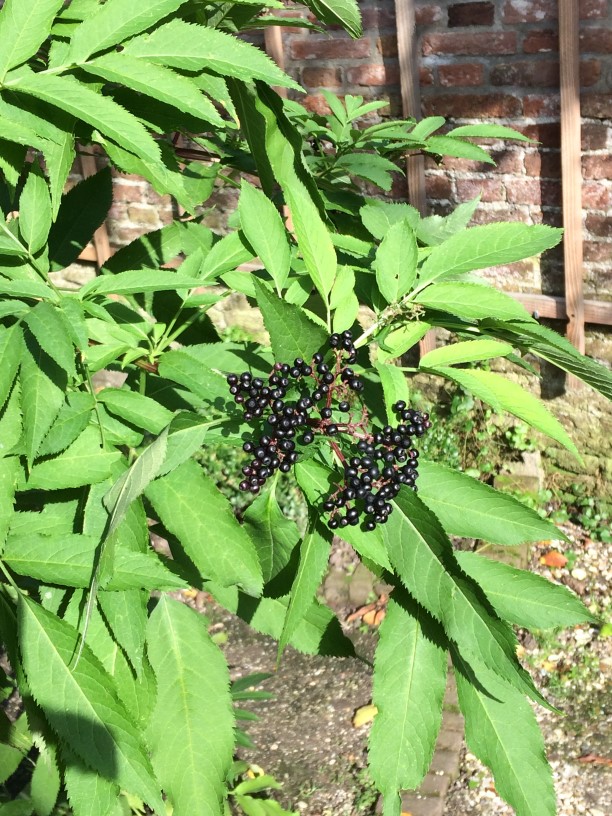
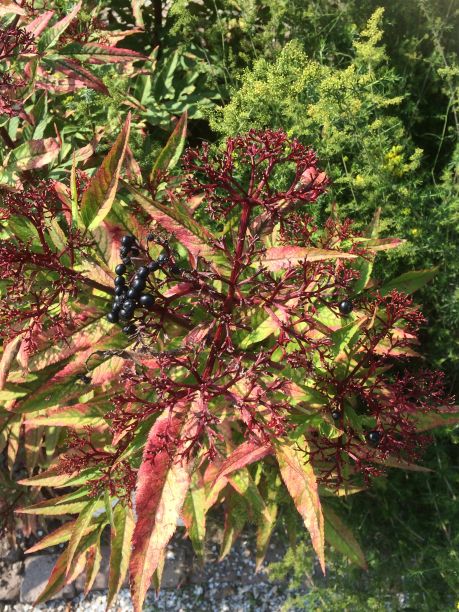
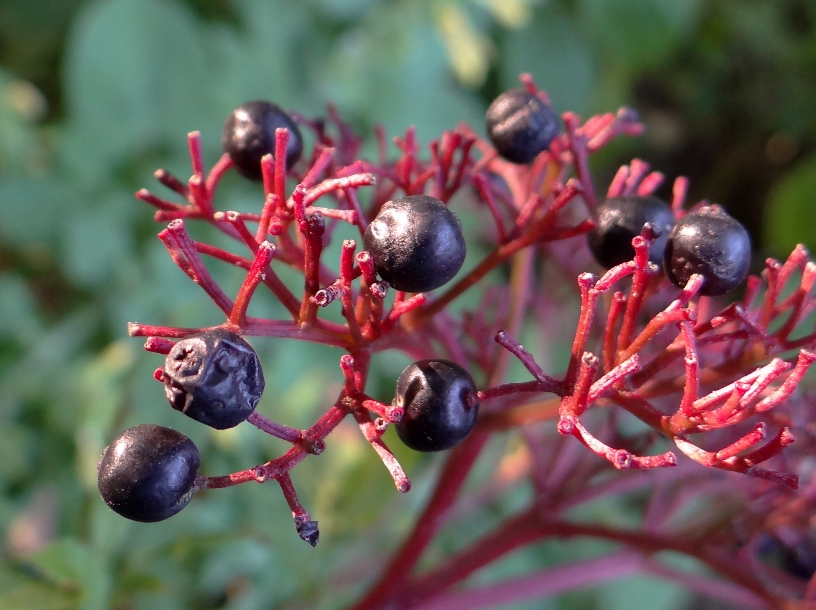
This herbaceous plant has, more than other types of elder, an unpleasant smell. Since it was traditionally used as a herb against intestinal ailments, the dwarf elder has certainly been spread by humans. The leaves, fruits and seeds contain the glycosides sambunigrin and prunasin, which are toxic. Unlike those of the elder (Sambucus nigra), the berries are not edible.

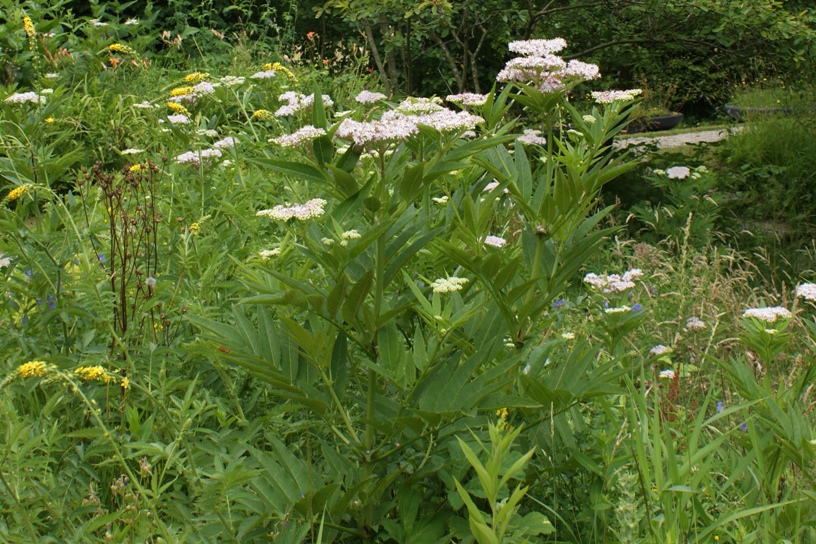
Dwarf elder is rare in the southern Meuse region and grows on moist, nutrient-rich, disturbed and, often, calcareous soil on banks, dykes, on arable land and forest edges, often near running water. Given enough space it can form large stands, where only bindweed and nettles can compete.

Read more.... »
Not a bush but a herb

This herbaceous plant has, more than other types of elder, an unpleasant smell. Since it was traditionally used as a herb against intestinal ailments, the dwarf elder has certainly been spread by humans. The leaves, fruits and seeds contain the glycosides sambunigrin and prunasin, which are toxic. Unlike those of the elder (Sambucus nigra), the berries are not edible.

Dwarf elder is rare in the southern Meuse region and grows on moist, nutrient-rich, disturbed and, often, calcareous soil on banks, dykes, on arable land and forest edges, often near running water. Given enough space it can form large stands, where only bindweed and nettles can compete.

Ecology and habitat

Walewort can still be found in the southern part of the Meuse area, but elsewhere very rare. It grows on damp, nutrient-rich soils, in disturbed sites and often on calcareous soils in verges, on dykes and along the edges of fields and woods, often near running water. Given sufficient space this species can grow to dominate the vegetation leaving only the nettle and the bindweed able to compete. Outside the Netherlands it is distributed across southwest Asia, North Africa, and south-, west- and central Europe. The Netherlands and Scotland are its most northerly localities.

Threat

Sambucus ebulus appears on the Red List. When verges are mowed more than once a year, it is the end for the walewort. Also preferred sites are being taken up by agriculture. In the past walewort occurred further to the north and west, now there are less than 2500 individuals left in the wild.

« Description

Present in:

Hortus Botanicus Amsterdam
Hortus Alkmaar
Botanische Tuinen Universiteit Utrecht
Domies Toen
Hortus Nijmegen
Botanische Tuin De Kruidhof
Nederlands Openluchtmuseum

Themes

Crown jewel of Domies Toen.

Dwarf elderberry is toxic.

A blue dye and an ink are obtained from the fruit; the sap within the root is used as a black hair dye.

Details

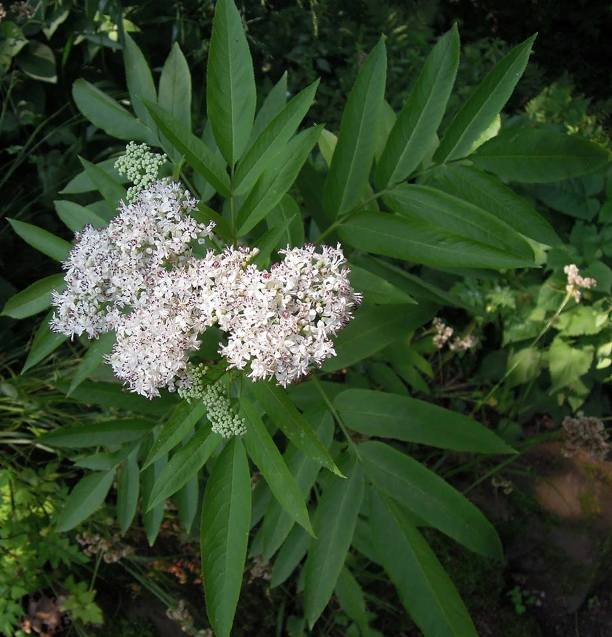
Description: Herb, up to 1.2 m.
Distributions: Western part of europe, with its northern border at the netherlands and central england. north africa and the western part of asia
Habitat: Dykes, roadside verges, fields, slopes, clearings, hedges, forests and forest edges, water edges and along railways.
Year cycle: Perennial (trees and shrubs included)
Hardiness: 5 - 14 f (hardy - cold winter)
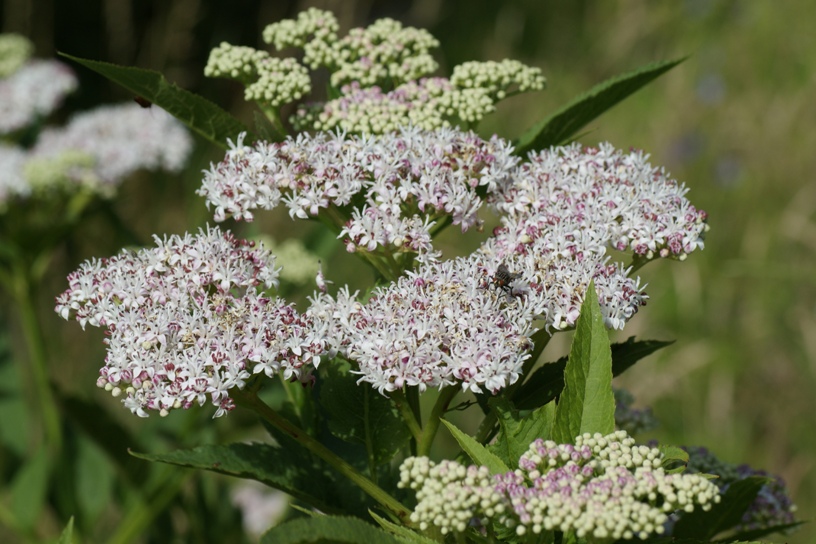
Flowering period: Juli - augustus
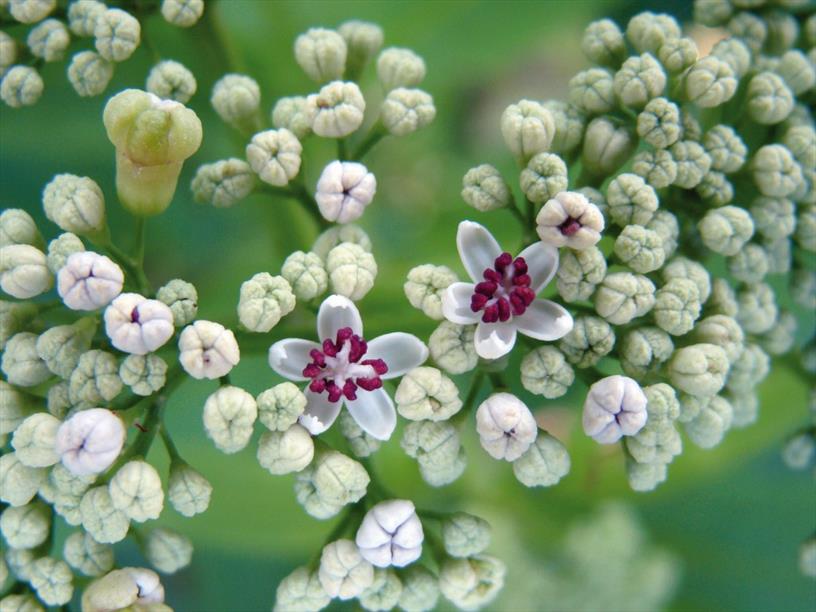
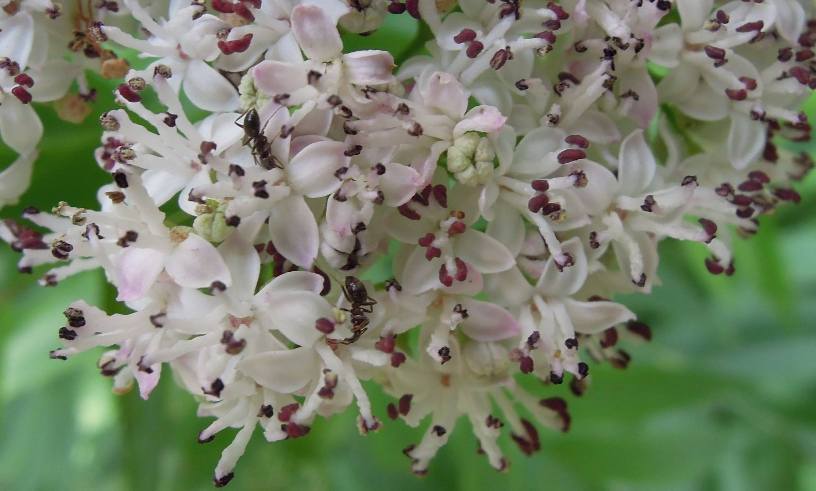
Flower color: White, pink
Notes on flowers: Flowers usually white, sometimes pink.
Fruiting period: Augustus - september
At its best: Juli - september

Distribution

http://www.floravannederland.nl/planten/kruidvlier/

Sources

http://www.floron.nl/publicaties/rode-lijst-2012,
http://wilde-planten.nl/kruidvlier.htm,
http://www.pfaf.org/user/Plant.aspx?LatinName=Sambucus+ebulus
  Back to results
NVBT
  • Press
  • Contact
  •