• Gardens
  • Find plants
  • Floriade 2022
  • Botanic guardians
  • home
  • about us
  • contact
Nederlands
  Back to results

Persian Ironwood

Parrotia persica

Witchhazel family (Hamamelidaceae)

A beauty as hard as iron

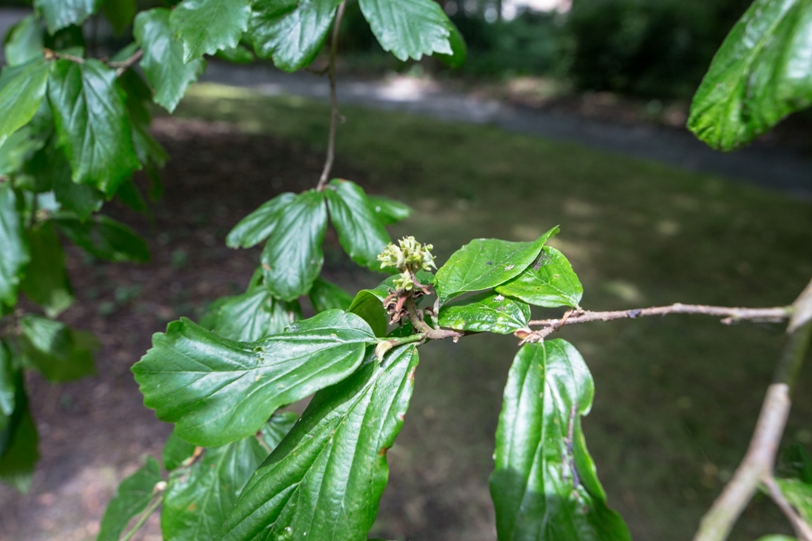
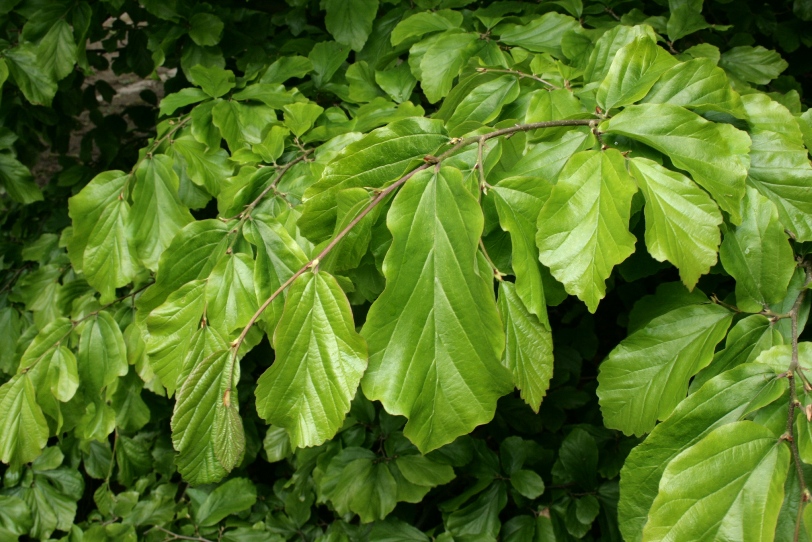
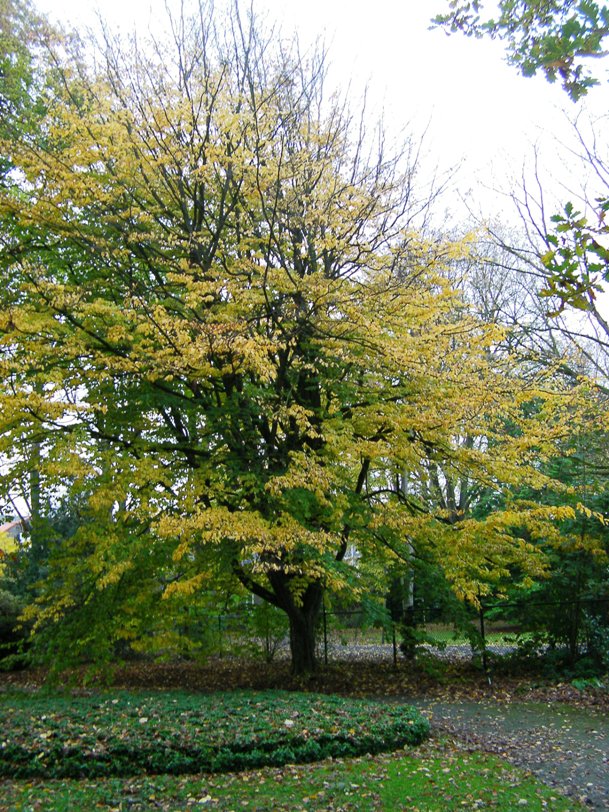
Persian ironwood has striking black buds from which, in the early spring, unassuming red flowers appear. The leaves are reminiscent of those of the witch hazel, with veins that divide into three at the base. The leaf edge is reddish in colour. Important characteristics of this tree are its shape, the bark and beautiful autumn colour.

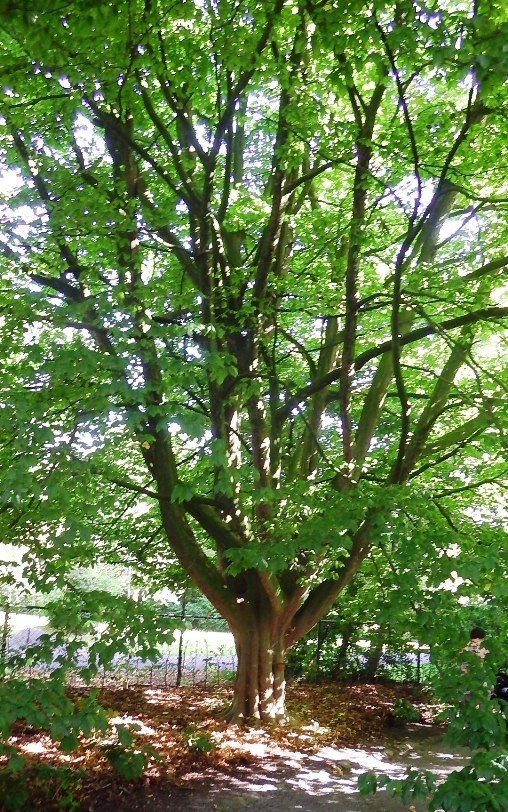
Its native habitat is from the Caucasus to Iran. The Persian ironwood tree is naturally multi-stemmed. The timber is important to the locals in its native environment because it is a durable hardwood that is so heavy it sinks.

The tree is named after Johann Jakob Friedrich Wilhelm Parrot (1792-1841), a mountaineer (Mount Ararat 1829), naturalist and Professor at the University of Dorpat (Estonia).

Read more.... »
A beauty as hard as iron

Persian ironwood has striking black buds from which, in the early spring, unassuming red flowers appear. The leaves are reminiscent of those of the witch hazel, with veins that divide into three at the base. The leaf edge is reddish in colour. Important characteristics of this tree are its shape, the bark and beautiful autumn colour.

Its native habitat is from the Caucasus to Iran. The Persian ironwood tree is naturally multi-stemmed. The timber is important to the locals in its native environment because it is a durable hardwood that is so heavy it sinks.

The tree is named after Johann Jakob Friedrich Wilhelm Parrot (1792-1841), a mountaineer (Mount Ararat 1829), naturalist and Professor at the University of Dorpat (Estonia). 

The Parottia was discovered by Parrot and comes from the region from the Caucasus to northern Iran (persica means from Persia). In 1840 this species was sent to Kew Gardens in London from where the plant was distributed to the rest of Europe. It became available in the Netherlands from around 1920.

This shrubby tree prefers a sunny position or light semi-shade. It has a relatively shallow root system and this means that the plant should be given extra water in periods of long, persistent drought. It is also hardy. In much of the literature it is written that the Persian ironwood needs a slightly acidic soil but in practice it has no problem with a neutral or slightly alkaline soil. Parottia likes a good fertile soil and mulching is ideal because it protects the top layer of the soil from dehydration. Its highly decorative shape makes it particularly suitable as a solitary, feature plant.

It is a shrub-like tree that usually grows to between 7 and 10 m in height, which is only achieved after about 15 years. Parrotia perscia rarely becomes a tree but rather remains a multi-stemmed shrub - even if the plant has a clear main stem, its inclination is to form many side branches. Some cultivars are grown on a rootstock. The growth form is best described as obovate.

The leaves are oppositely arranged on the twigs. The leaves are also obovate, with smooth edges and 3 veins arising from the base. As the leaves first emerge, they are a purple-reddish colour, which later turn a glossy green in summer. The leaves range from 4 to 10 cm in length and are heart-shaped.

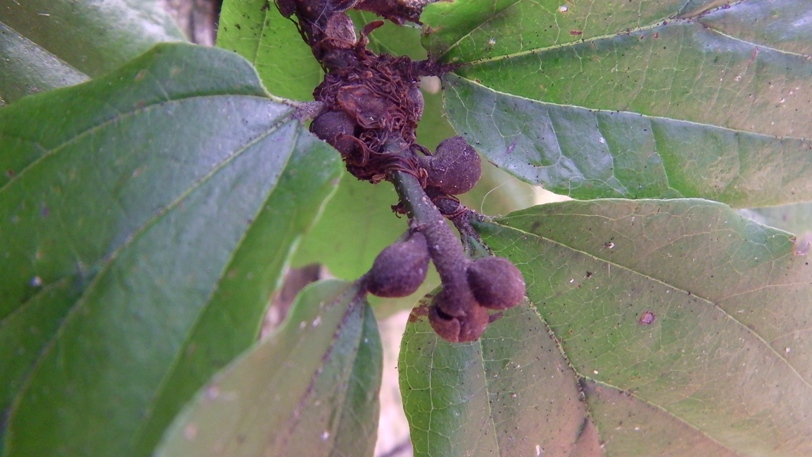
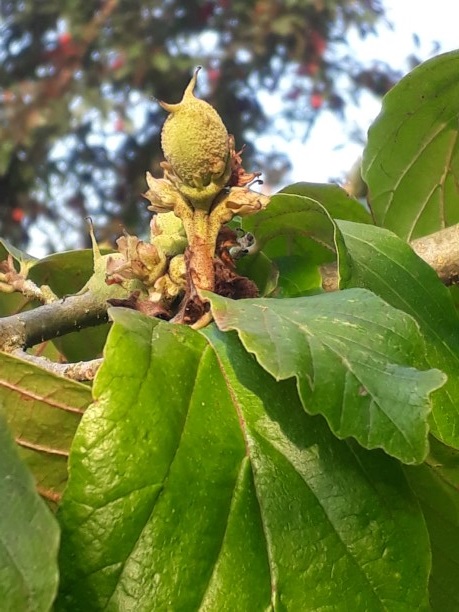
Parrotia belongs to the Hamamelidaceae family, which is obvious from its early flowering. The flowers appear on bare wood. Black buds form on the bare branch wood from which small red flowers appear from January to March. They are quite small and unobtrusive; the inflorescence has four sepals and no petals, and only the red stamens provide colour. The two-parted capsular fruit is woody and brown-coloured, and each capsule contains one seed that bursts forth when ripe.

The young bark is smooth and grey. At maturity it will peel off exposing a beautiful patterning of greys, yellows and even pinkish tints. This only occurs on the trunk and older branches but serves to increase the ornamental value of the plant in winter. Some people confuse this tree with the plane tree.

The plant should be pruned as little as possible so as not to lose the character of the tree. Parrotia is little affected by diseases or insects.

There are several cultivars on the market. A common one, selected in Oudenbosch, is 'Vanessa' (1975).

« Description

Present in:

Hortus Botanicus Amsterdam
Historische Tuin Aalsmeer
Botanische Tuinen Universiteit Utrecht
Landgoed Schovenhorst
Botanische Tuin Arboretum Oudenbosch
Hortus botanicus Haren / Groningen
Arboretum Poort Bulten
Botanische Tuin De Kruidhof
ARTIS

Themes

Crown jewel in the Haren Botanic Garden and Botanical Garden Arboretum Oudenbosch.

Monument tree.

The wood is remarkably hard, heavy, dense and durable and this is why it is called the iron tree. Charcoal made from this tree is highly valued. The wood is also used by wood turners and for shuttles for weaving, and telegraph poles. It is a durable hardwood that is so heavy it sinks.

Details

Description: Tree, shrub, can reach heights of 9-12(-25) m in the wild.
Distributions: Northern iran to caucasus
Habitat: Mainly on low lying plains and mountain foothills. optimal conditions are at sites between 250 - 400 m in altitude.
Year cycle: Perennial (polycarpic decidous)
Hardiness: Colder than -4 f (very hardy)
Flowering period: Januari - februari
Flower color: Red
Notes on flowers: Rode bolvormige franjeachtige bloemen.
Fruiting period: Mei - juli
Fruit color: Brown, black
Notes on fruits: Doosvrucht, zwartbruin, houtig, ovaal, gesnaveld en met twee kleppen.
At its best: Februari, oktober

Sources

https://www.rhs.org.uk/Plants/12341/Parrotia-persica/Details?returnurl=%2fplants%2fsearch-results...,
https://unlgardens.unl.edu/documents/IDS_07TreeoftheYear.pdf,
https://www.rhs.org.uk/Plants/12341/Parrotia-persica/Details?returnurl=%2fplants%2fsearch-results... http://www.catalogueoflife.org/col/details/species/id/9982e49146612a266e1e0a1b81dcc6d8,
Dendrologie van de lage landen - Jan de Koning en Wim van den Broek,
  Back to results
NVBT
  • Press
  • Contact
  •