Cabbage Thistle
Cirsium oleraceum
 Least Concern (LC)



Edible … but not pleasant
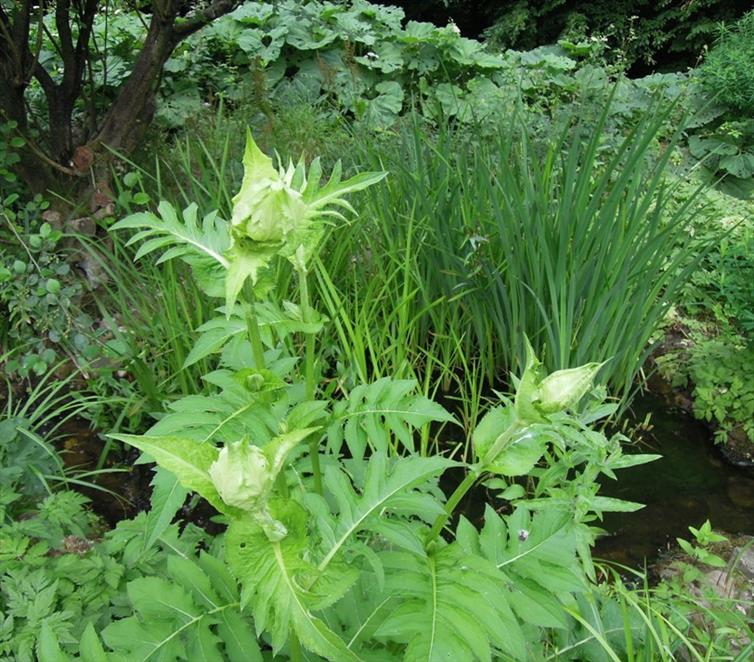
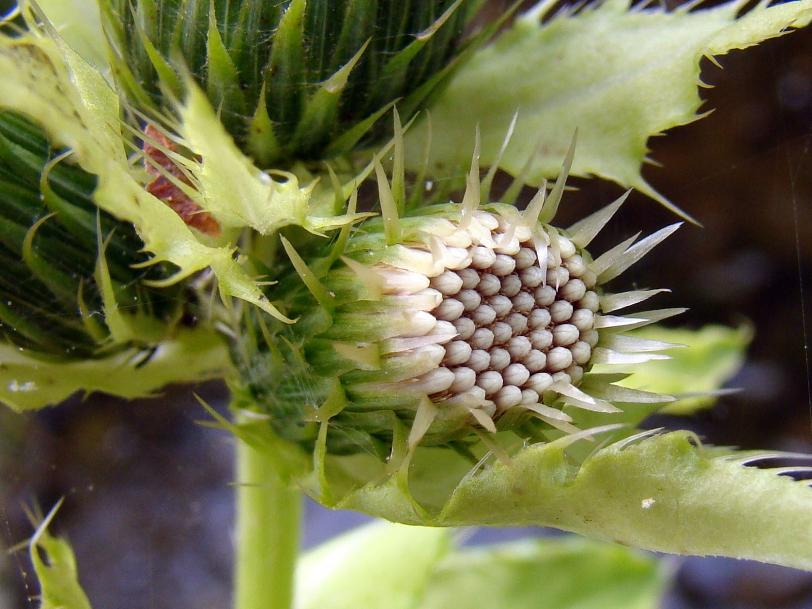
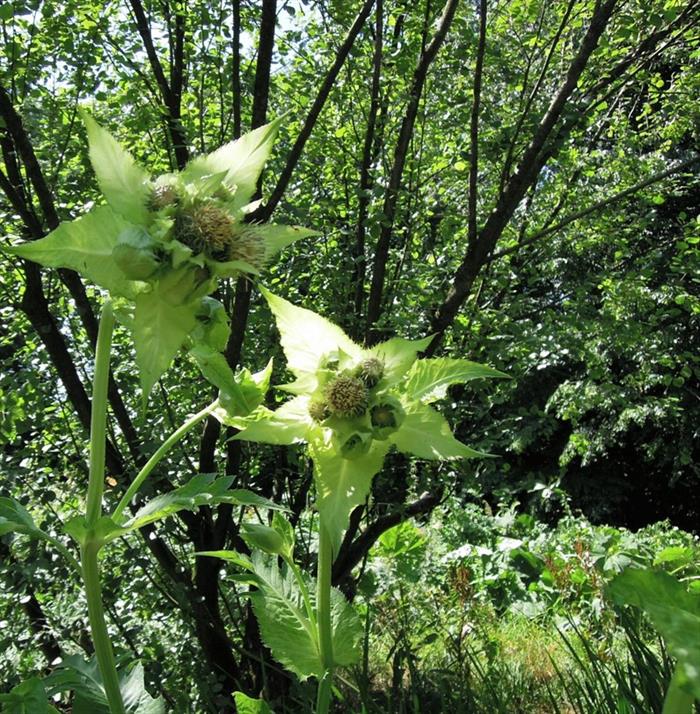
The cabbage thistle is the only species in the Netherlands with white-yellow flower heads - usually thistle flowers are purple. What is also specific to the cabbage thistle is the presence of 2 to 6 greatly enlarged bracts surrounding the flower heads.
Cirsium, the genus name, is derived from the Greek kirsos meaning ‘swollen vein’. Thistles belonging to this genus have therefore been used as a remedy for this. The second part of the scientific name, oleraceum, means ‘used as a vegetable’ or ‘grown in vegetable gardens’. Although most animals do not eat this species and people do not find it either particularly tasty or nutritious either, this thistle can be eaten in the time of scarcity or famine.
Read more.... »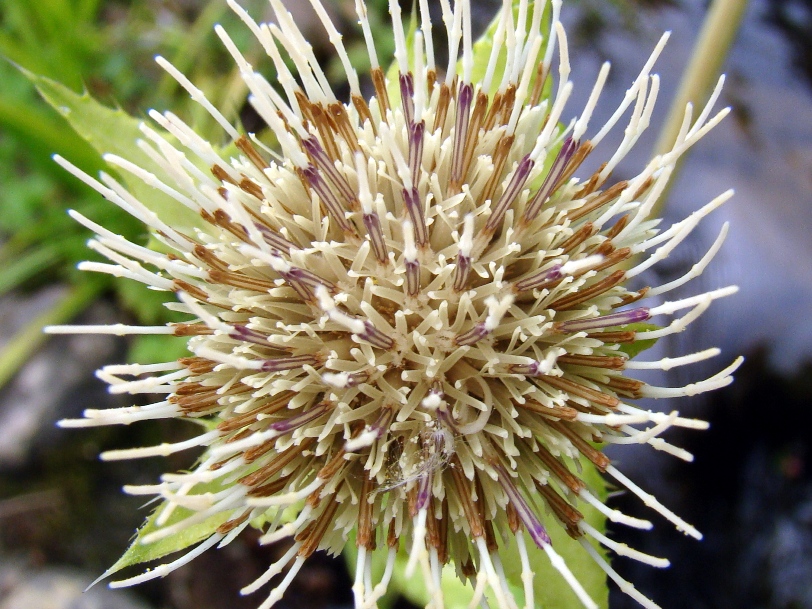
Themes
Crown jewel in the Nijmegen Botanic Garden.
During flowering bees frequently visit the plant.
The leaves have a cabbage-like flavour and in times of famine could be eaten but they are not particularly tasty or nutritious.
Details
| Description: | Herb, up to 60 cm - 1.5 m; although this plant is called a thistle, the leaves are relatively soft and the few thorns on the stems are not sharp |
|---|---|
| Distributions: | In western asia and eastern and central europe, west to the netherlands and belgium. in northwest europe usually a short-lived perennial |
| Habitat: | Grassland, along watercourses, marshland, sites disturbed by human activity, reclaimed land and along forest margins |
| Year cycle: | Perennial (trees and shrubs included) |
| Hardiness: | Colder than -4 f (very hardy) |
| Flowering period: | Juni - september |
| Flower color: | White, yellow |
| Notes on flowers: | Two to six flowers are borne together at the top of the stem in a dish-like involucre; the light yellow heads are 2.5 -4 cm in size. |
| Notes on fruits: | A one seeded achene or nutlet |
| At its best: | Juni - september |
Sources
http://www.floron.nl/publicaties/rode-lijst-2012,IUCNredlist.org, Heukels' Flora van Nederland, R. van der Meijden, 2005, 23e druk, Wolters Noordhoff,
https://nl.wikipedia.org/wiki/Moesdistel,
http://luirig.altervista.org/flora/taxa/index1.php?scientific-name=cirsium+oleraceum