Dove-tree
Davidia involucrata
 Least concern



The saluting tree
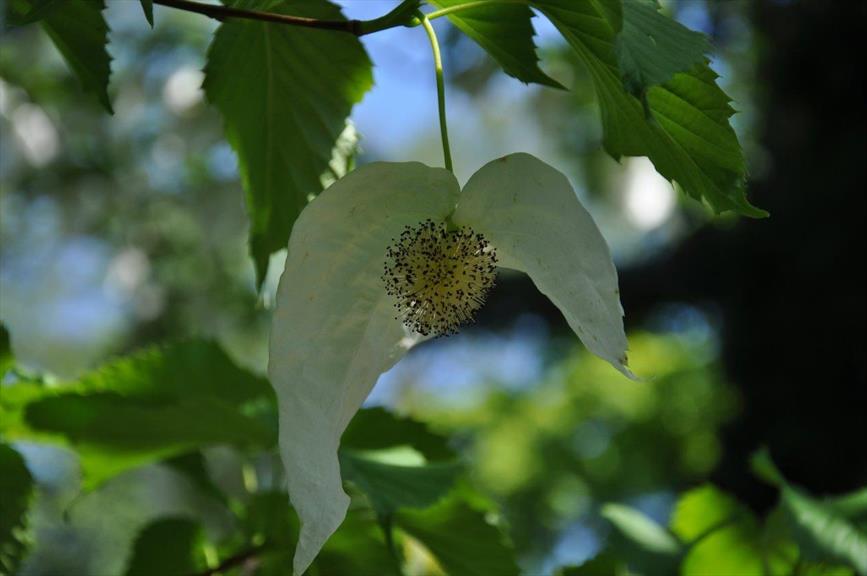
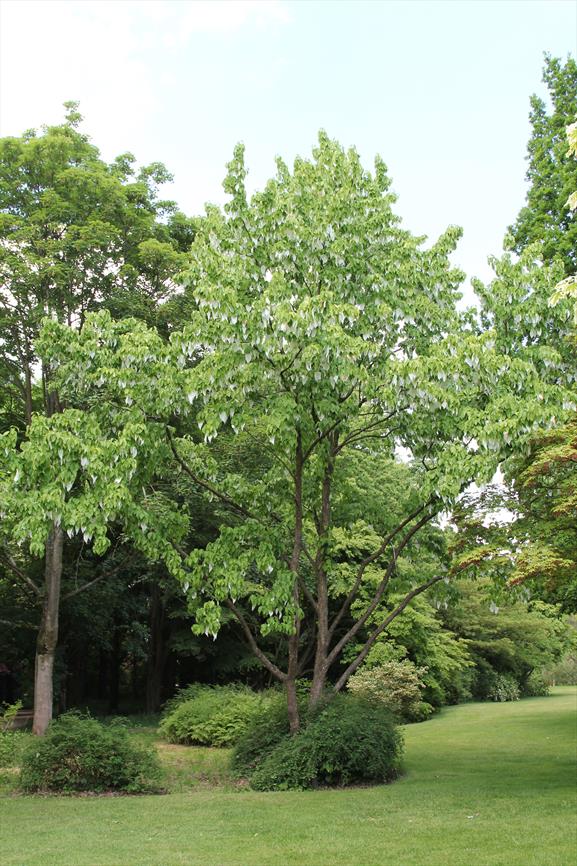
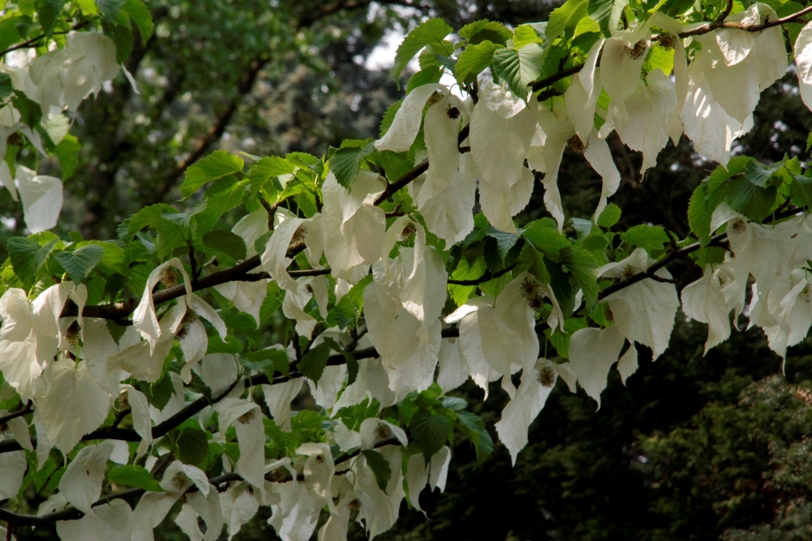
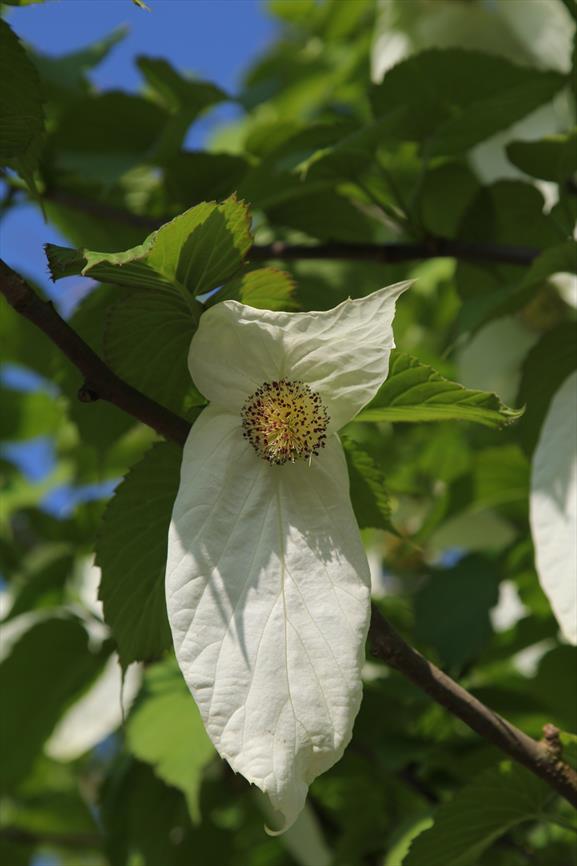
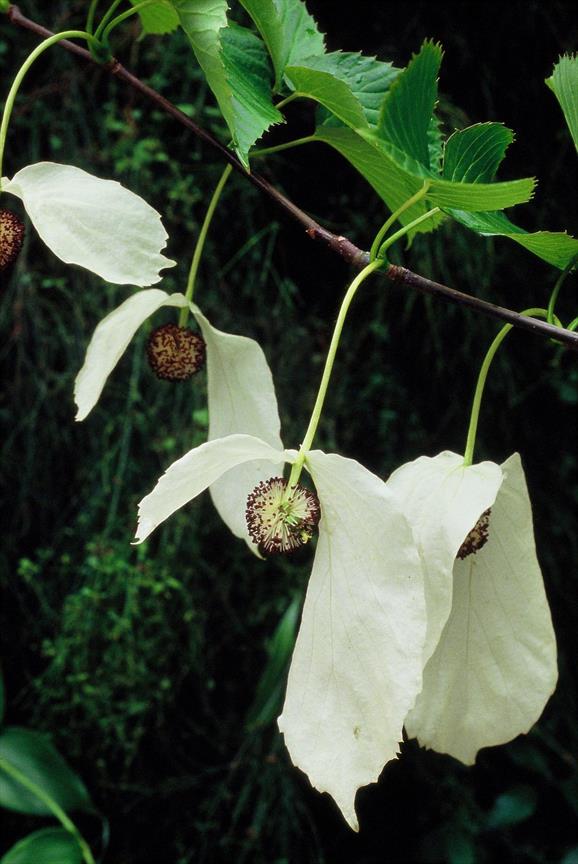
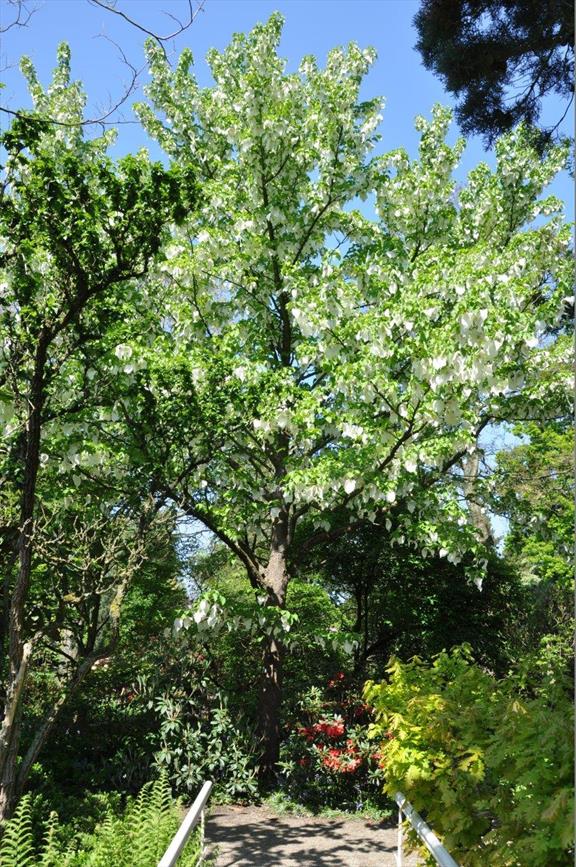
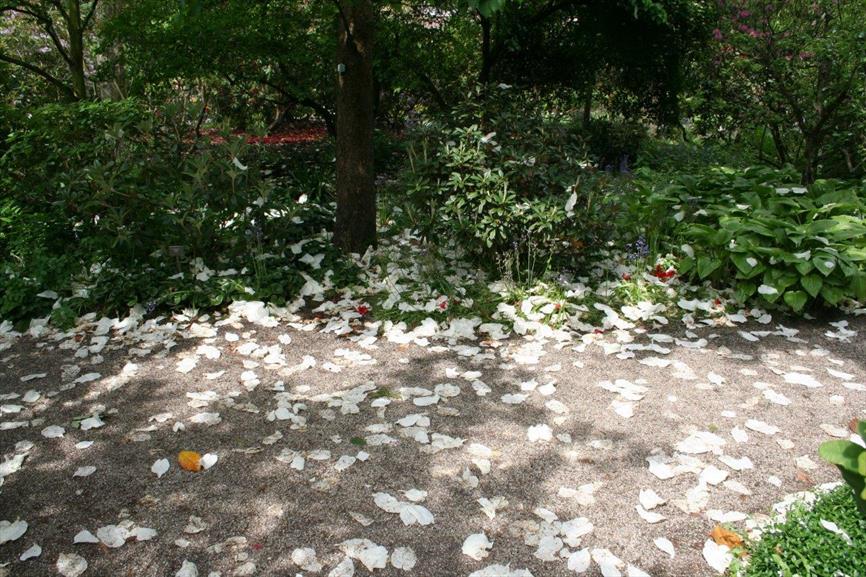
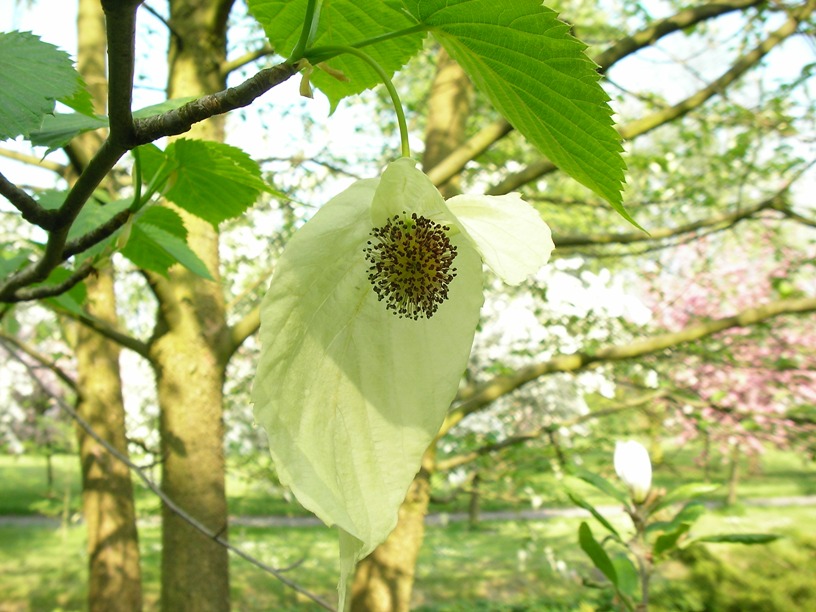
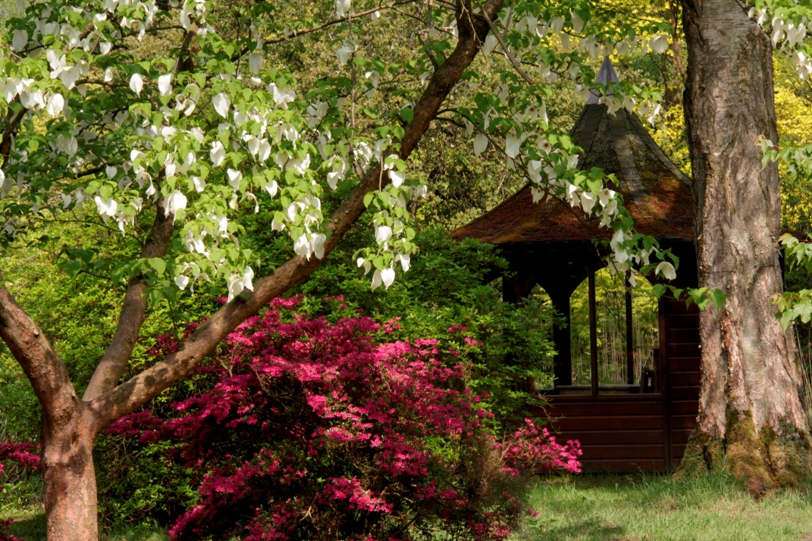
In May the handkerchief (or dove) tree waves at us with its distinctive inflorescence. The conspicuous 15 cm long, pendulous bracts (the handkerchiefs) protect the actual flower. The meaning of its species name, involucrata, refers to these obvious involucres.
A French priest, Father David, discovered the tree in China in 1869 and later the tree was named after him. The first seeds were germinated in Paris in the early 20th century and the first ‘handkerchiefs’ appeared in 1906.
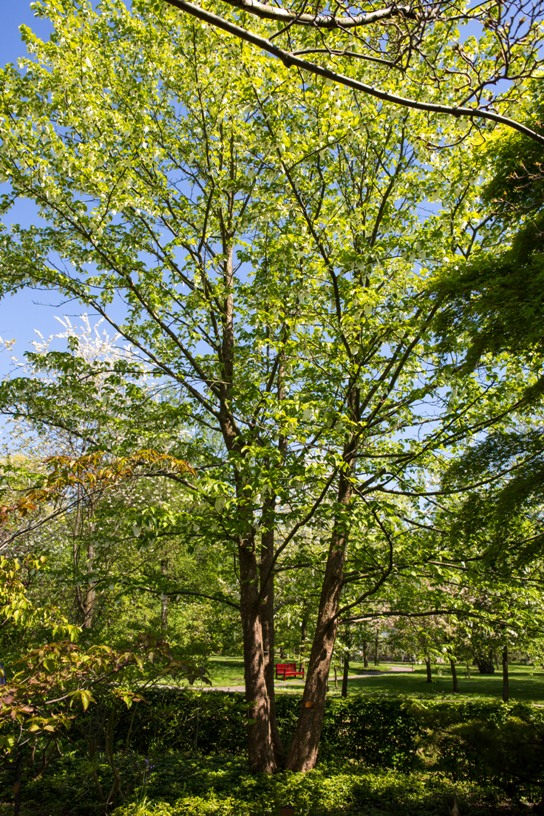
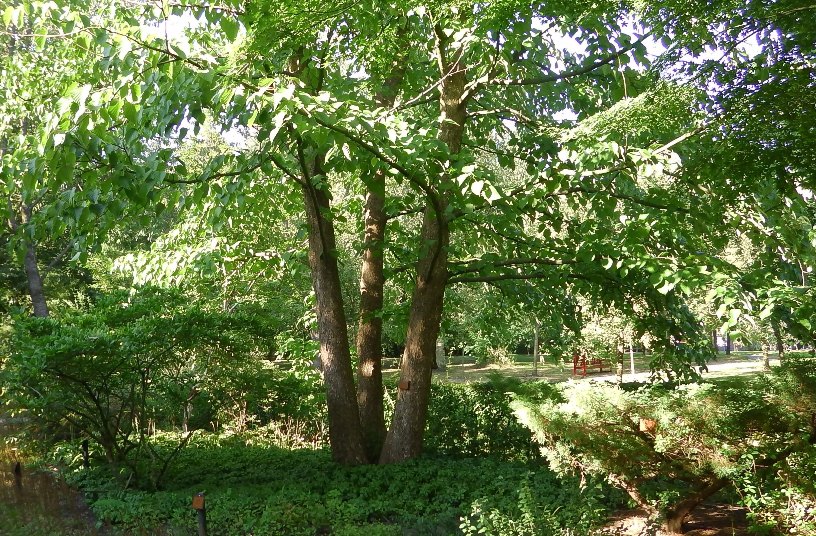
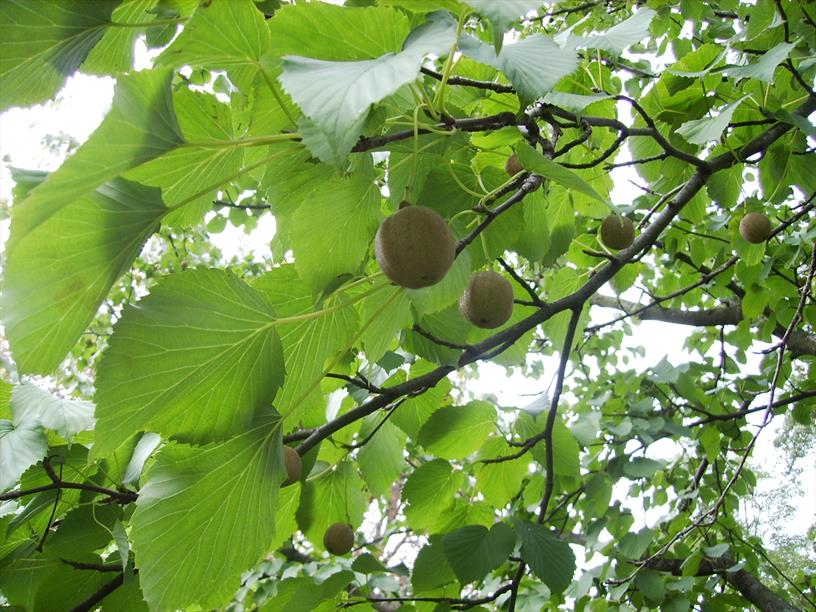
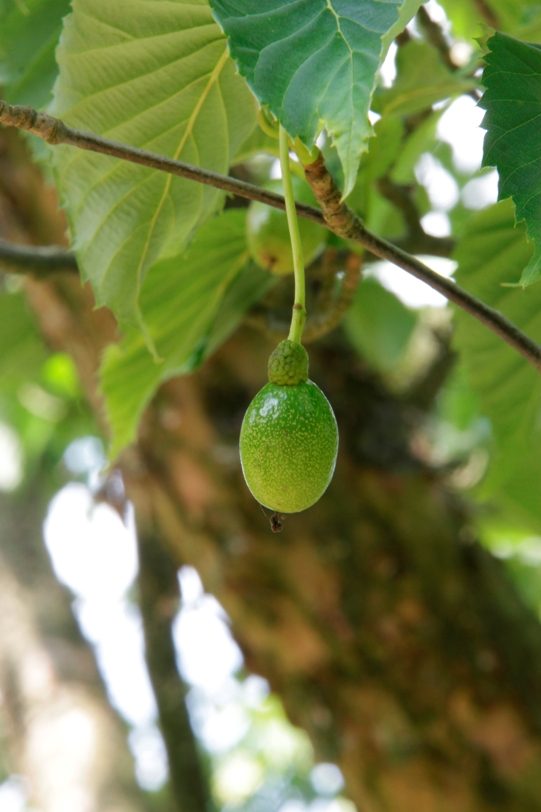
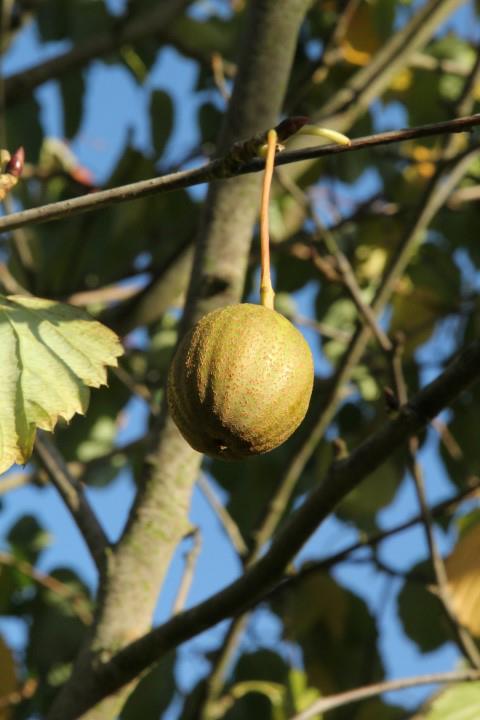
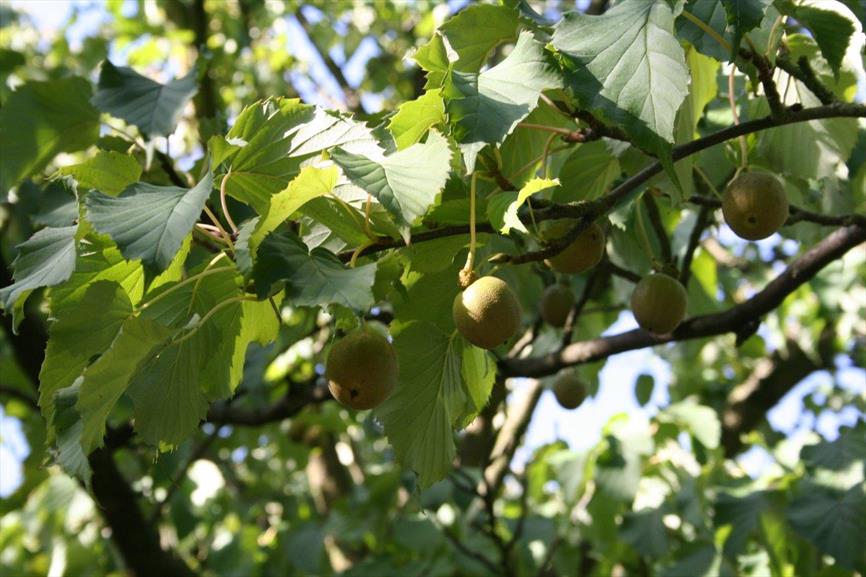
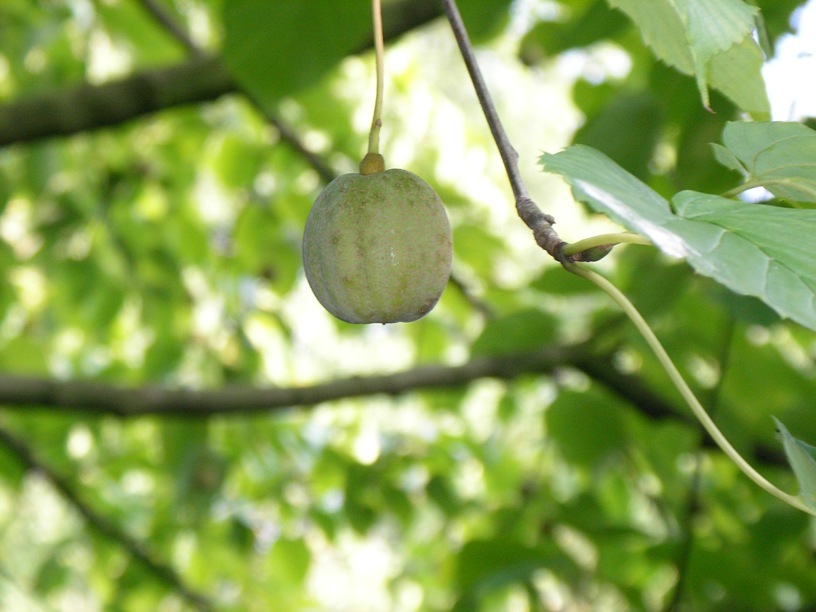
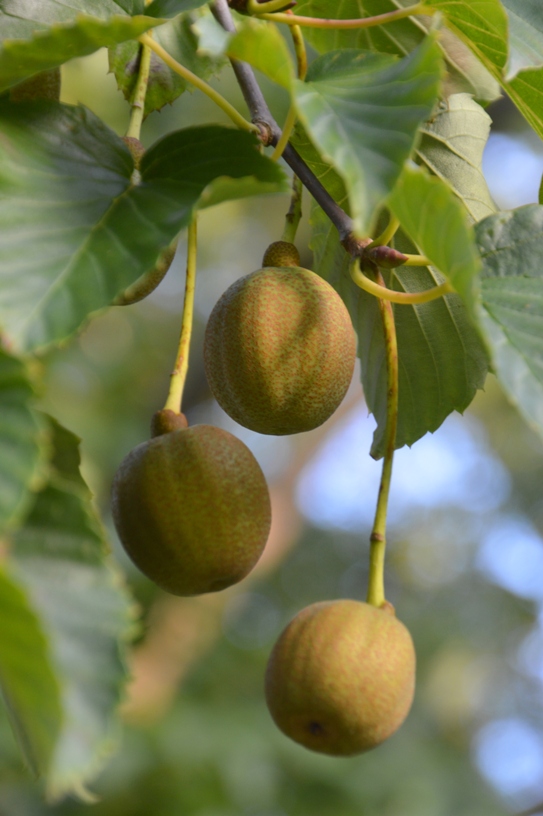
Davidia produces nut-shaped fruits, with up to three seeds per fruit, and can grow up to 10 m. After the ‘handkerchiefs’ have dropped, the beautiful purple coloured nut-like fruits dangle on long stems. In the wild this is an endangered species.
The variety vilmoriniana differs in its degree of hairiness.
Read more.... »Present in:
Hortus Botanicus AmsterdamHortus botanicus Leiden
Botanische Tuinen Universiteit Utrecht
Belmonte Arboretum
Trompenburg Tuinen en Arboretum
Landgoed Schovenhorst
Botanische Tuin Arboretum Oudenbosch
Botanische Tuin Kerkrade
TU Delft Hortus Botanicus
Nationaal Bomenmuseum Gimborn
Arboretum Poort Bulten
ARTIS
Themes
Crown jewel in the Leiden Botanic Garden, the Trompenburg Gardens & Arboretum, and the Von Gimborn Arboretum.
The handkerchief tree was first described by French priest and naturalist Father Armand David on a trip to China in 1868. It was not introduced to England for another 35 years. China is a refuge for many primitive flowering plants from the Tertiary. Central China harbours many endemic species that were more abundant and widespread before the last Ice Age. The pocket-handkerchief tree is the standard-bearer of this partly defeated army.
The beauty of this tree is in its appearance, especially the flowers. Unfortunately the smell released by flowers is rather unpleasant acting as an attractant only for beetles.
Details
| Description: | Tree, up to 20 m with inconspicuous flowers surrounded by 15 cm long white handerkerchief-like bracts. |
|---|---|
| Distributions: | Central china |
| Habitat: | Mountain slopes, in the transition zone between evergreen and deciduous broad-leaved forests, between 1000 and 1500 m in altitude. |
| Year cycle: | Perennial (polycarpic decidous) |
| Hardiness: | -4 - 5 f (hardy - very cold winter) |
| Flowering period: | April - mei |
| Flower color: | Green, white |
| Notes on flowers: | The inflorescence comprises a head with numerous stamens and one (sometimes two) pistil(s) surrounded by two large, prominent, white bracts. |
| Fruiting period: | September - december |
| Fruit color: | Green, brown |
| Notes on fruits: | Fruit sits askew on the stem and turns from green to brown. |
| At its best: | Mei |
Sources
https://www.rhs.org.uk/Plants/5364/i-Davidia-involucrata-i/Details,http://arnoldia.arboretum.harvard.edu/pdf/articles/2011-68-3-white-bracts-of-the-dove-tree-davidi...,
http://www.efloras.org/florataxon.aspx?flora_id=2&taxon_id=200014694,
Dendrologie van de lage landen - Jan de Koning en Wim van den Broek, Dendroflora 30: pag. 66, arnoldia.arboretum.harvard.edu/pdf/articles/2011-68-3-white-bracts-of-the-dove-tree-davidia-involucrata-umbrella-and-pollinator-lure.pd